New Year Packaging: How Brands Use Seasonal Packaging to Start 2026 Strong
New Year Packaging is not about decoration.
Heading into 2026, it's about resetting brand perception
I've seen many brands treat January as "business as usual."
The smarter ones don't.
They use New Year Packaging to signal one clear message to customers:
This is a brand that's moving forward.
📦 What Is New Year Packaging (And What It Is NOT)
Let's be clear.
New Year Packaging does NOT mean:
Loud holiday graphics
Full packaging redesign
Short-term gimmicks
In 2026, effective New Year's Packaging means:
Subtle seasonal adjustments
Limited-edition details
A refreshed unboxing experience
It's a strategic touchpoint, not a visual overload.
🔍 Why New Year Packaging Matters Heading Into 2026
As we move into 2026, three things are happening at once:
Customers expect brands to feel current
Competition resets at the start of the year
January is when brand trust is re-evaluated
Packaging is often the first physical signal of that reset.
If January packaging feels outdated,
the brand feels behind.
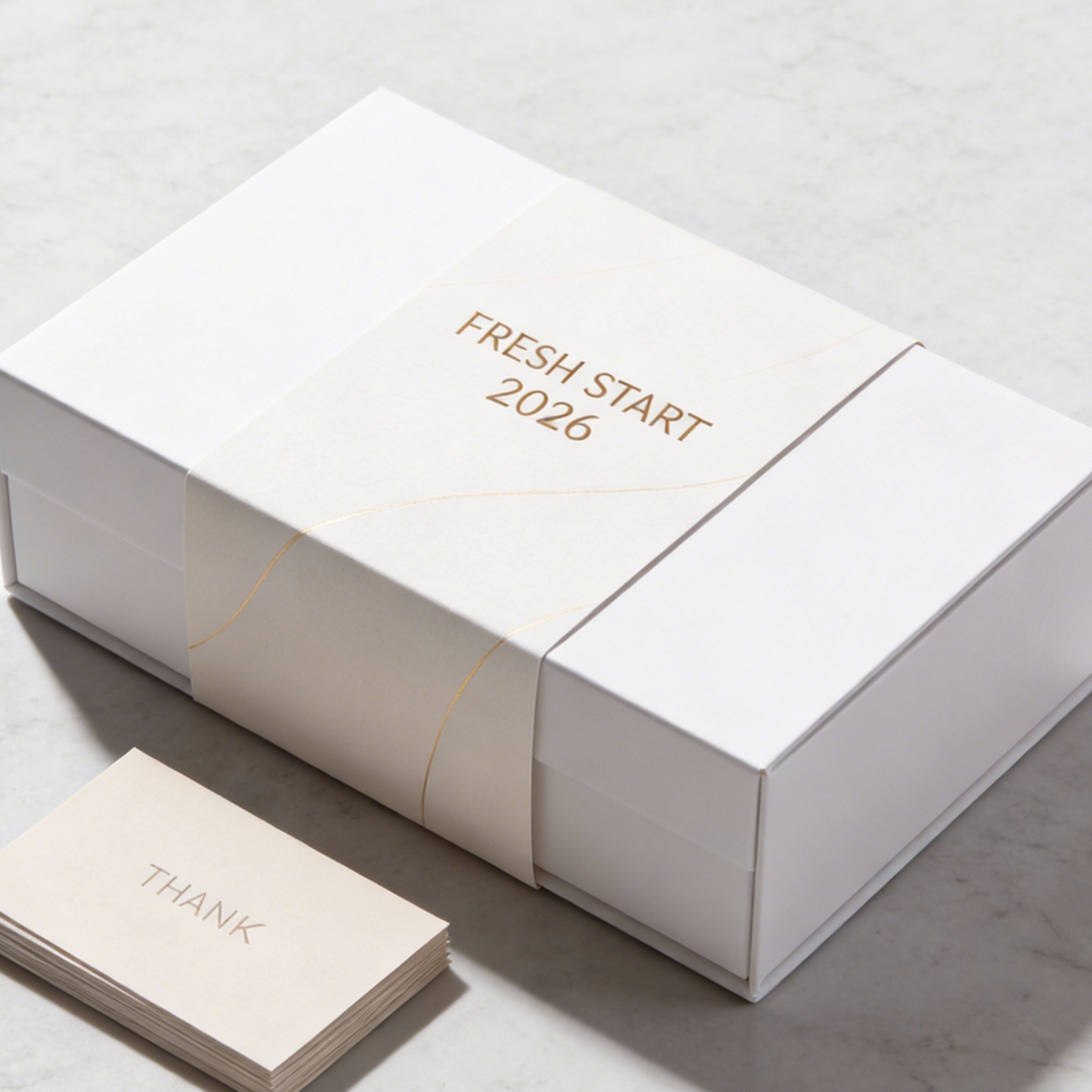
🎯 What Makes Effective New Year Packaging in 2026
From what we're seeing, strong New Year Packaging focuses on:
🎨 Seasonal color accents (not a full palette change)
🖋️ Timeless New Year messaging
🎁 Limited-edition elements
📄 Updated inserts or thank-you cards
💡 Tip:
In 2026, brands are prioritizing modular packaging changes to control cost and timing.
🧠 Client Case 1: Small Change, Clear Impact
Earlier this year, a DTC lifestyle brand came to us.
Problem:
Their January orders felt identical to December shipments.
What we adjusted:
Same box structure
Same logo placement
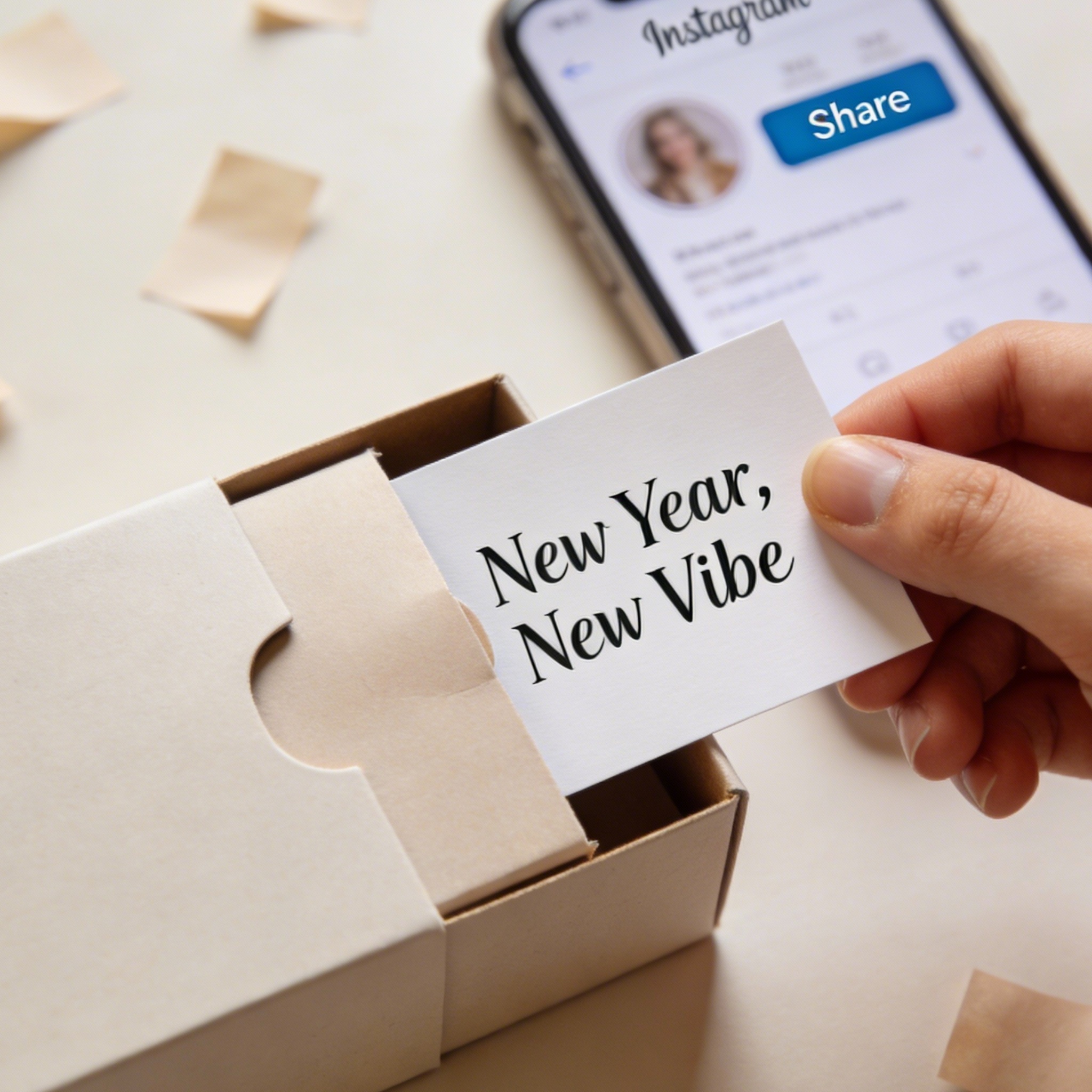
🎉 Added a New Year sleeve + short message card
Results within one month:
More unboxing shares on Instagram 📸
Customers mentioning the "fresh start" feeling
Stronger brand recall in January
Same products.
Different perception.
🧠 Client Case 2: New Year Packaging for International Customers
A beauty brand selling to the US and EU markets asked:
"Should we use holiday-style New Year packaging?"
Our advice was simple:
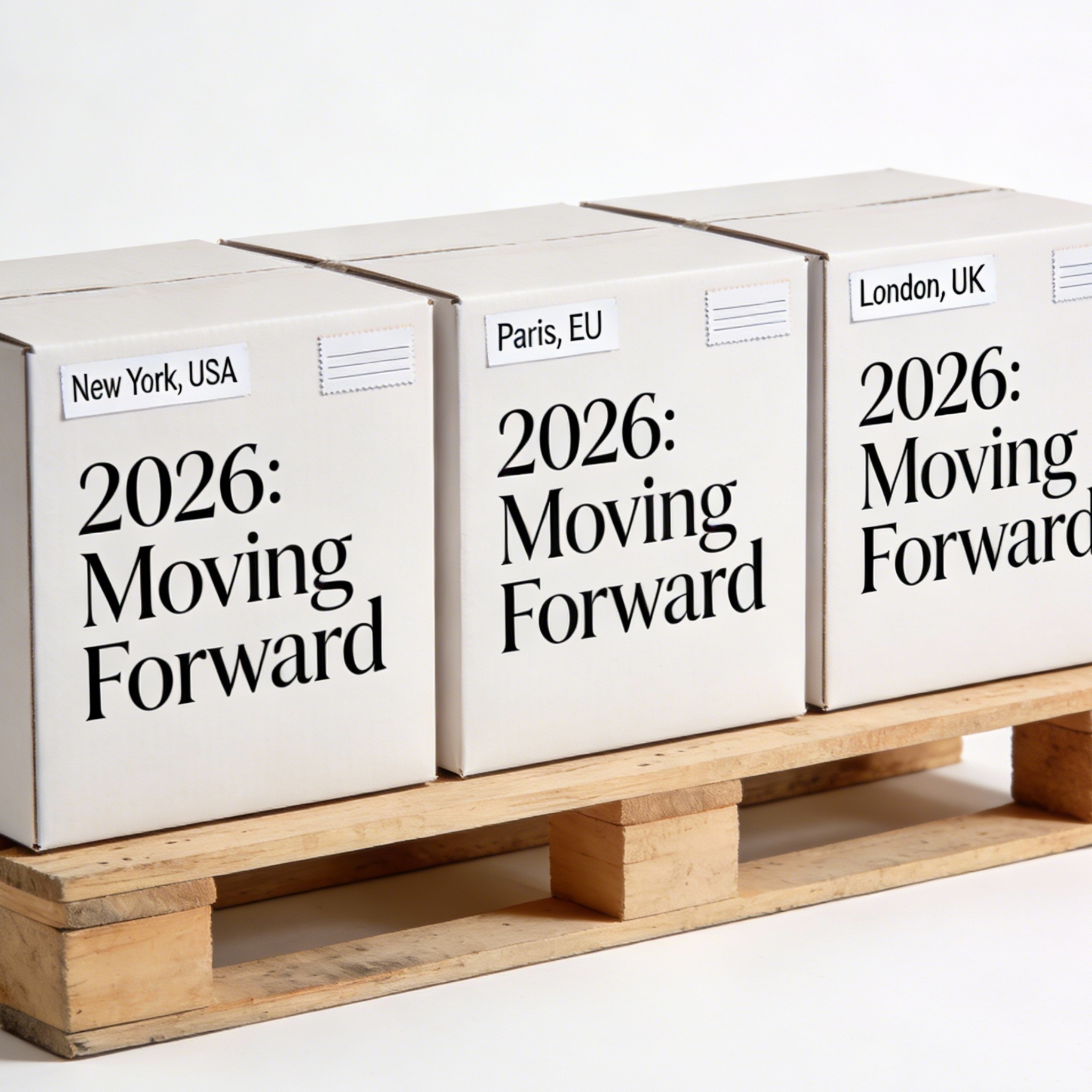
No cultural symbols
No specific holiday graphics
Focus on clean, universal New Year messaging
Outcome:
Packaging felt global, not seasonal
No customer confusion
Higher acceptance across markets
In 2026, simplicity travels better.
💰 Is New Year Packaging Expensive?
Usually, it doesn't have to be.
Most brands manage cost by:
Reusing existing box sizes
Adding sleeves, stickers, or inserts
Updating copy, not structure
👉 The biggest cost risk is over-design, not New Year Packaging itself.
🚫 Common Mistakes Brands Make With New Year Packaging
These come up often 👀
Treating New Year's Packaging like holiday packaging
Overusing trends that age quickly
Launching too late in January
Ignoring international audiences
New Year Packaging should feel intentional — not temporary.
❓ Real FAQs About New Year Packaging
Q1: Is New Year Packaging only for gift products?
No. Any brand can use it to refresh perception.
Q2: How long should New Year Packaging last?
Typically, January to early February is the best time.
Q3: Do I need a full redesign for New Year Packaging?
No. Small, well-planned changes are more effective.
🚀 Final Thoughts on New Year Packaging
Heading into 2026,
New Year Packaging is about momentum.
It’s one of the simplest ways to:
Refresh brand perception
Signal progress
Start the year with intention
Ads pause when budgets pause.
Packaging keeps working.
New Year Packaging is often the first brand decision your customers notice in 2026.
Biodegradable packaging and recyclable packaging are both popular, but the question many brands still ask is:
Which one makes sense for your business?
Having worked with hundreds of brands — from small Shopify shops to fast-scaling DTC companies — I’ve noticed one thing:
👉 There’s no universal answer.
But there is a smart way to choose.
🌱 What Biodegradable Packaging Really Means
Biodegradable packaging is designed to break down naturally over time with the help of microbes.
Common materials include:
Plant-based plastics (PLA)
Paper pulp and molded fiber
Cornstarch-based packaging
Mushroom or seaweed-based materials 🍄
Important: Degradation depends on the environment — home composting vs industrial composting makes a huge difference.
♻️ Understanding Recyclable Packaging
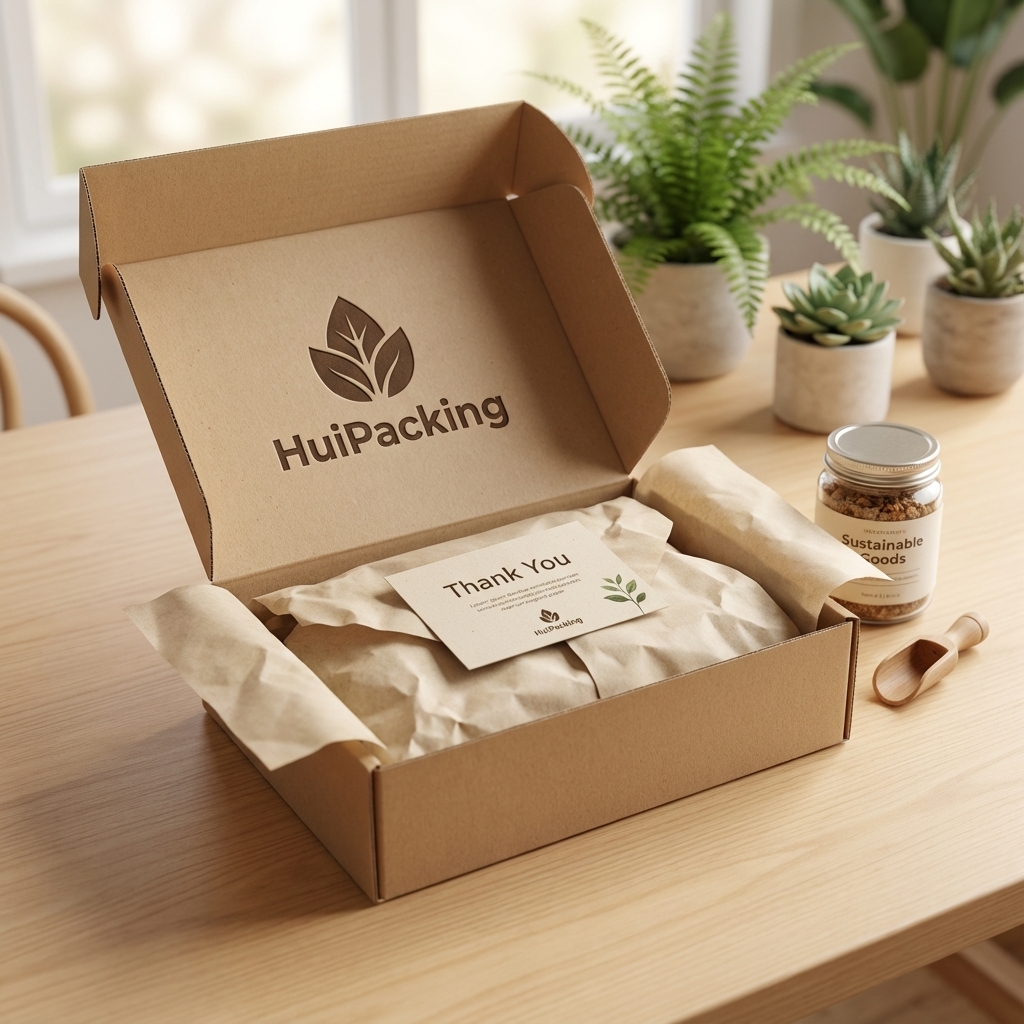
Recyclable packaging can be collected, processed, and reused to create new materials.
Typical examples:
Cardboard boxes
Kraft paper
PET plastics
Aluminum or glass
Its effectiveness depends on:
Local recycling systems
Customer behavior
Clear labeling and instructions
If recyclable materials end up in a landfill, they don’t serve their purpose.
🤔 Biodegradable vs Recyclable: Key Differences for 2026
Biodegradable Packaging
Breaks down naturally
Strong emotional appeal 🌍
Premium perception possible
Often higher cost
Needs proper disposal conditions
Recyclable Packaging
Widely recognized and practical
Lower cost for mass shipping
Relies on local recycling infrastructure
Risk of not being recycled
Insight: Sustainability isn’t only about materials — it’s about real-world impact.
📈 Why Brands Are Confused Heading into 2026
Brands want:
Eco-friendly solutions
Cost efficiency
Strong brand story
Compliance with new regulations (EU, US, UK)
Challenges include:
Conflicting claims (“greenwashing”)
Supply chain instability
Rising material costs
Many brands struggle to balance all three.
💡 How Smart Brands Decide
Instead of asking:
❌ “Which is better?”
They ask:
✅ “Which fits my product, customer, and market?”
Quick guide:
Choose biodegradable packaging if:
Sustainability is core to your brand 🌱
Customers care about the eco-impact
Your market supports composting systems
You want strong emotional branding
Choose recyclable packaging if:
You ship at scale
Cost efficiency is critical
Customers already recycle
You want practical solutions for logistics
Many brands combine both approaches for maximum impact.
🧠 Common Mistakes to Avoid
I see these often 🚫
Choosing biodegradable just for marketing
Ignoring regulations or disposal realities
Skipping quality or protection for “eco.”
Using misleading eco claims
Remember: A damaged product is never sustainable.
📦 HuiPacking Recommendations for 2026
At HuiPacking, we help brands:
Compare biodegradable vs recyclable options
Match materials to brand positioning
Balance sustainability and cost
Test prototypes before mass production
Sustainable packaging in 2026 should be:
✔ Practical
✔ Honest
✔ Brand-aligned
Not just a trend.
🚀 Final Thoughts
Biodegradable packaging is powerful.
Recyclable packaging is practical.
The smartest brands in 2026 choose packaging that protects products, satisfies customers, and reinforces brand value 🤝
Good packaging works 24/7 — long after ads stop.
It’s branding you can hold in your hands.
🌐 Get Started Today
📦 Visit: www.huipacking.com
📲 WhatsApp: +86 180 3848 2898
📧 Email: huipacking00@gmail.com
🎁 Custom Packaging, Fast Fulfillment, Global Growth.
📥 Get a Free Quote
💬 Chat on WhatsApp
.png)
.png)
.png)
.webp)