Modular Packaging Design: How Smart Brands Build Scalable Packaging Systems for 2026
Modular Packaging Design is no longer a “nice-to-have.”
It’s becoming a core packaging strategy for brands that want to scale in 2026 📦
I’ve worked with hundreds of e-commerce and DTC brands over the years.
From early-stage Shopify stores to fast-growing subscription brands.
One trend is now impossible to ignore 👇
Brands are redesigning packaging systems, not individual boxes.
Modular Packaging Design sits at the center of that shift.
📦 What Is Modular Packaging Design (In Simple Terms)
Let me keep this simple.
Modular Packaging Design means:
One core box structure
Multiple interchangeable components
Instead of redesigning everything, brands swap:
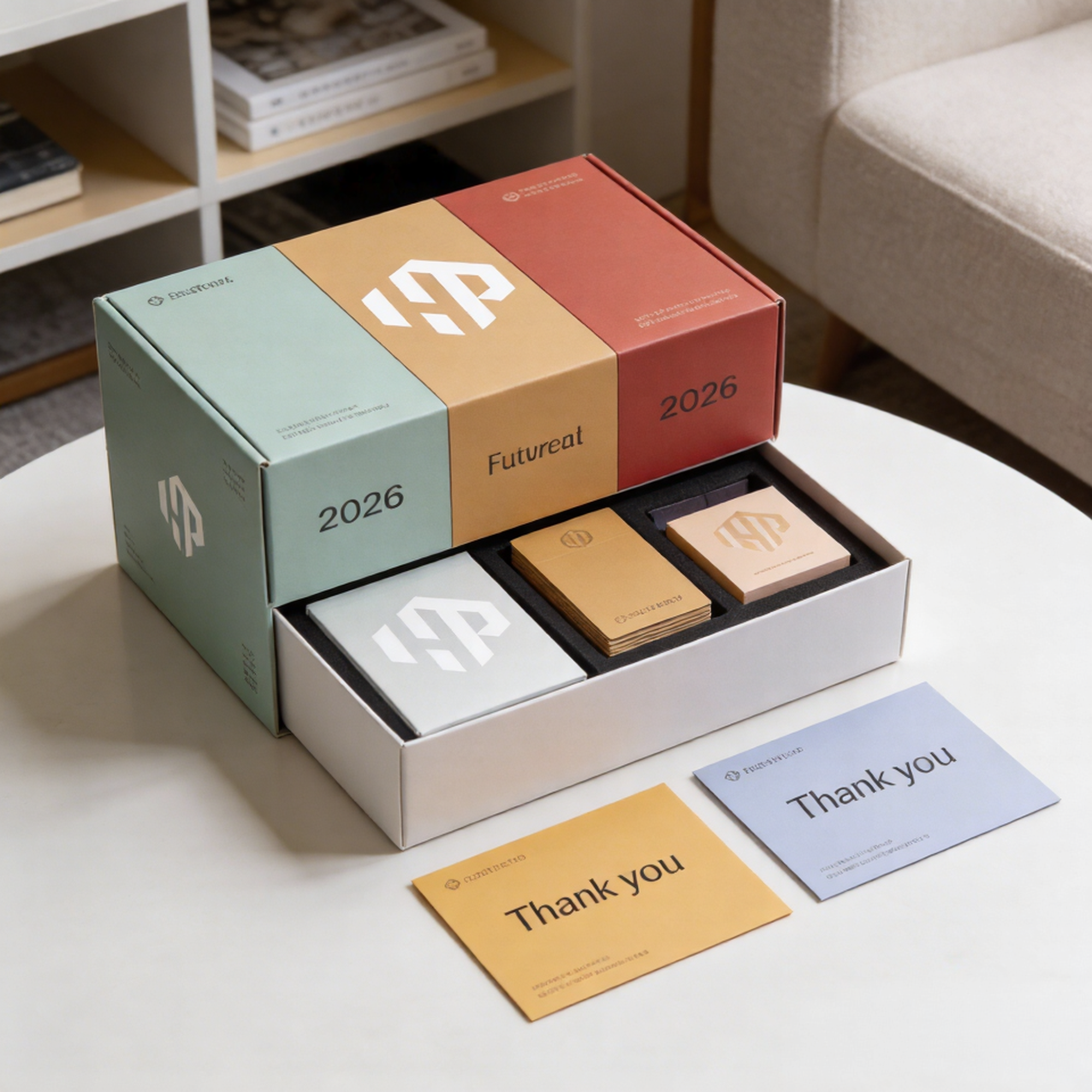
Sleeves
Inserts
Stickers
Inner cards
Same box.
Different season.
Different campaign.
This is not about aesthetics first.
It’s about structure, cost, and scalability.
🧠 Why Modular Packaging Design Matters in 2026
2026 brands face three realities:
SKUs change faster than ever
Seasonal campaigns are non-stop
Packaging costs are under pressure
Traditional packaging breaks under this speed.
Modular systems don’t.
Modular Packaging Design helps brands:
🔁 Reuse box structures across seasons
💰 Control packaging costs
📈 Scale without redesign delays
🎯 Keep brand consistency
Tip: Google Trends shows an increase in searches for “scalable packaging” and “modular packaging systems” as brands shift away from one-off designs.
🧩 Structure First: The Core of Modular Packaging
Most brands start with design.
Smart brands start with structure.
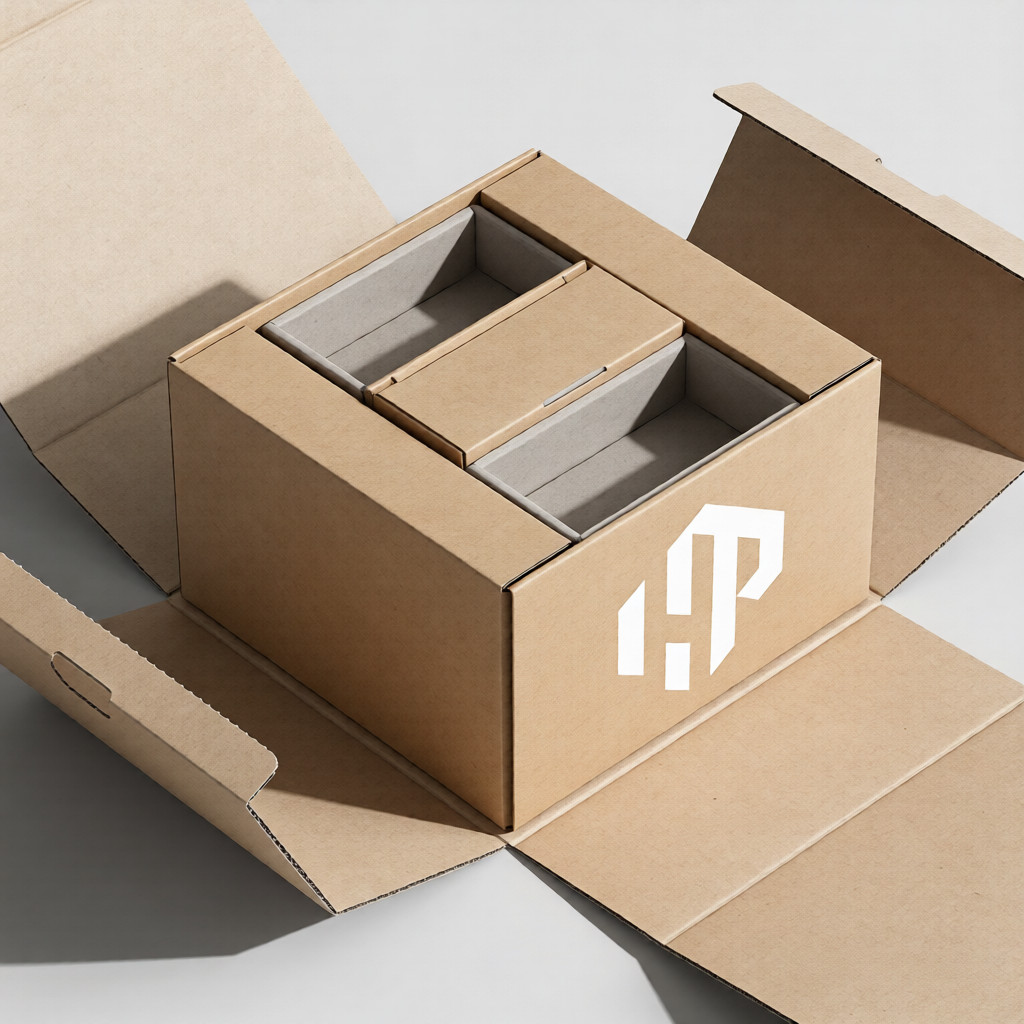
A strong modular system usually includes:
📐 One primary box size (or 2–3 max)
📦 Standardized insert dimensions
🧩 Replaceable inner components
🎨 Visual changes handled by sleeves or cards
Structure stays stable.
Brand expression stays flexible.
This is where cost savings begin.
💰 Cost Control Without Killing Brand Feel
One common myth I hear:
“Modular packaging feels cheap.”
That’s not true.
What feels cheap is inconsistent packaging.
With modular packaging:
Tooling costs drop
MOQ pressure drops
Redesign costs drop
But the unboxing experience stays premium ✨
Tip: Matte lamination, textured paper, and consistent color systems do more for perceived value than complex box shapes.
🤝 Client Story #1: Subscription Brand Scaling Too Fast
A U.S.-based subscription brand came to us in early 2025.
Problem:
New SKU every 2–3 months
Packaging redesign each time
Rising costs and delays
Solution:
One modular box structure
SKU-specific inserts
Seasonal printed sleeves only
Results after 3 months:
Packaging cost down ~18%
Faster launch cycles
Cleaner brand presentation
Same box.
Smarter system.
🎁 Modular Packaging for Seasonal Campaigns
Seasonal packaging doesn’t need reinvention.
With modular design, brands can:
Reuse core boxes year-round
Refresh only visible elements
Test seasonal ideas with low risk
Examples:
🎄 Holiday sleeve + thank-you card
🌸 Spring insert swap
🎉 Limited-edition sticker set
This is how seasonal packaging becomes repeatable, not stressful.
🤝 Client Story #2: DTC Brand Preparing for Retail
Another client planned retail expansion in late 2025.
Challenge:
Online packaging didn’t translate to retail
Needed consistency across channels
Modular approach:
Same outer box for e-commerce & retail
Retail-ready insert variation
Unified brand messaging
Outcome:
Faster retail onboarding
Stronger brand recognition
No full redesign required
Packaging became a brand asset, not a bottleneck.
🚫 Common Mistakes With Modular Packaging Design
I see these often:
Overcomplicating the system
Too many box sizes
Ignoring the inner packaging experience
Treating modular as “temporary.”
Tip: Modular packaging works best when planned as a long-term system, not a shortcut.
❓ Real FAQs From Brands We Work With
Q1: Is modular packaging only for big brands?
No. Small brands benefit the most because it reduces redesign and MOQ pressure.
Q2: Does modular packaging limit creativity?
Actually, it increases it within a controlled system.
Q3: Can modular packaging still feel premium?
Yes. Material choice and finishing matter more than structural complexity.
🚀 Final Thoughts on Modular Packaging Design
In 2026, packaging is no longer a one-time decision.
Modular Packaging Design allows brands to:
Adapt faster
Spend smarter
Stay visually consistent
Scale with confidence 📈
Ads stop working when budgets stop.
A smart packaging system keeps working.
Modular Packaging Design is how modern brands future-proof their packaging.
🌐 Get Started Today
📦 Visit: www.huipacking.com
📲 WhatsApp: +86 180 3848 2898
📧 Email: huipacking00@gmail.com
🎁 Custom Packaging, Fast Fulfillment, Global Growth.
📥 Get a Free Quote 💬 Chat on WhatsApp
.png)
.png)
.png)
.webp)